The Model Traffic Playbook: How to Leverage Event Marketing to Fill Your Model Home
What if the best incentive you could offer is a reason to show up? Let’s face it, no one drives across town to tour a model home because a mortgage rate dropped half a point. Price concessions and financial incentives are powerful conversion tools, but they only matter once someone is already in the door. That is why sales and marketing are split jobs. Marketing earns the visit, and sales helps close the deal. One of the best ways to earn that visit is a tailored event that lets buyers picture themselves in the space, experience the community firsthand, and make a human connection. This Model Traffic Playbook shows how to plan, promote, and follow up on events that fill your model home.
Targeting
One of the most exciting parts of event marketing is that you get to choose your audience. Michelle Kana, SmartTouch’s Marketing Account Director, has planned events for customers, realtors, and residents, and she says the key to targeting is to do your research early. Start by asking what type of resident wants to live in your community. Next, look at what draws that resident to the area, such as a farmers market, live music, or outdoor recreation, and tailor your event to match that lifestyle.
Targeting also happens in stages. Event marketing begins months before event day with broad awareness among people who fit your demographics or location. Once those people become leads, your targeting gets sharper. Your invitations now go to people who already know your community and were interested enough to share their contact information. That makes your event a natural next step in a relationship that has already started, instead of a cold pitch.
A smaller budget doesn’t have to limit your event. A realtor‑only event is a cost‑effective option that allows agents to experience the space firsthand and sell that feeling to their clients. Resident events are another way to keep your current community engaged and talking about where they live.
Choosing an Event that Resonates
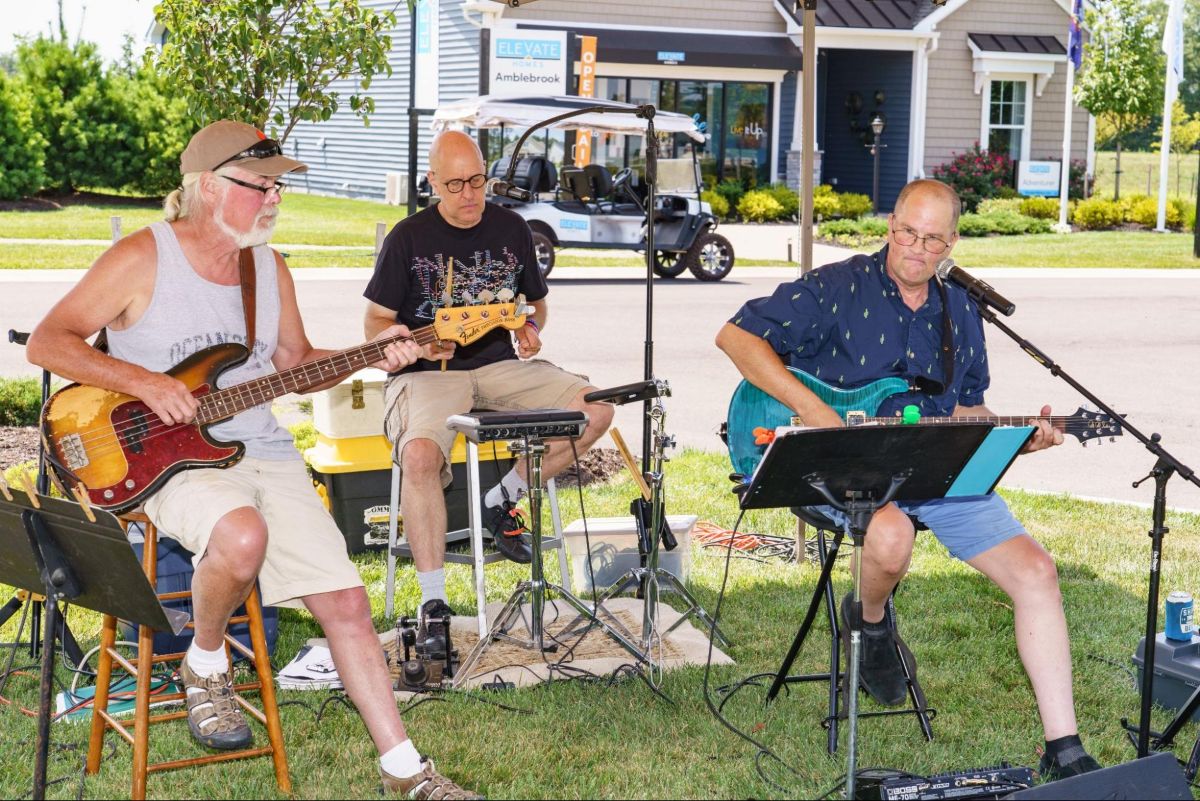
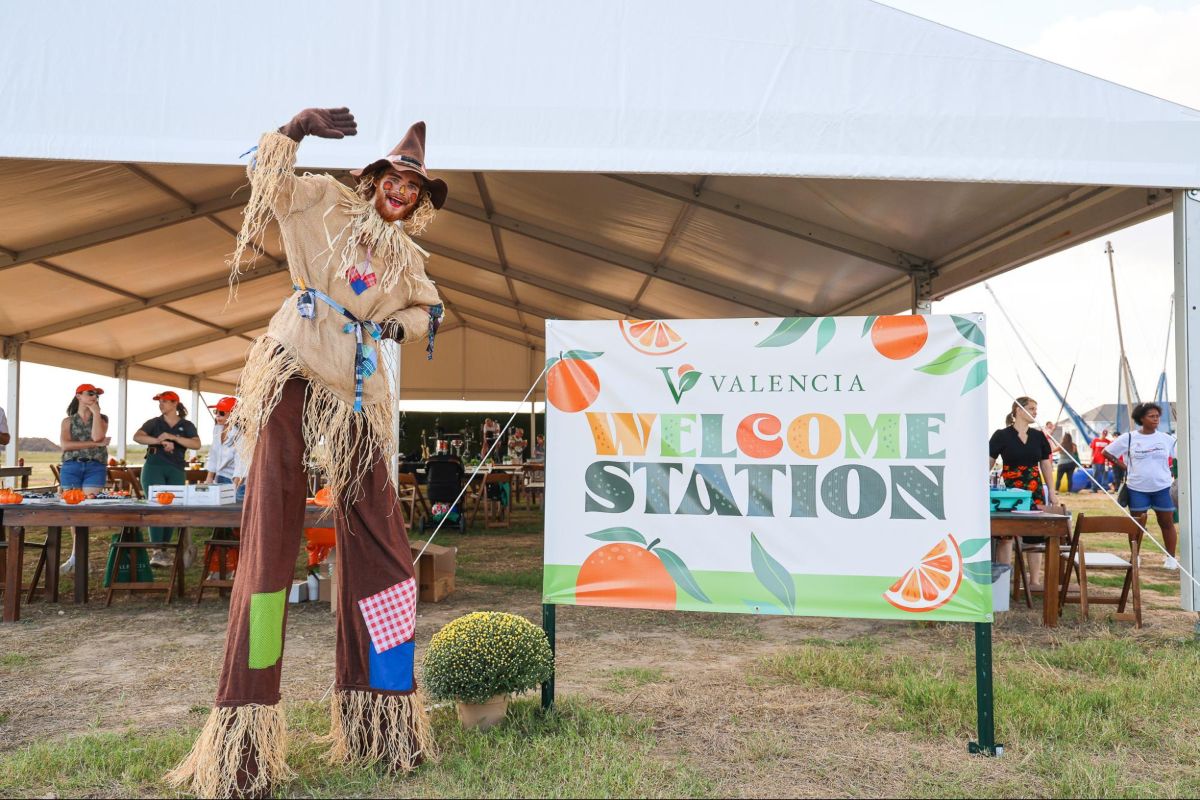
A traditional open house is rarely enough to earn a visit. Curated events give buyers a reason to come and a way to experience what life in your community feels like. SmartTouch has planned everything from fall fests and casino nights to live music and kids’ activities such as petting zoos and bounce houses. This shows how much the format can flex to fit your audience.
For a community of young families, plan something centered on the kids. A pumpkin carving station in the fall keeps the children entertained while parents tour the homes, so they can still feel productive with their weekend. Families also benefit from informational workshops like “First Time Homebuying 101,” which help your team feel approachable and give your guests something useful to take home. Not every buyer has kids, which is why SmartTouch has also hosted events like “doggy day out” as a way to reach pet owners who want to see the walking paths and green space they would use every day.
Seasonality is another great place to look for inspiration. A fall fest suits autumn, an Easter egg hunt brings families out in the spring, and an ice cream truck or waterslide gives summer guests a realistic taste of community life. Timing can also come from your community itself, such as a pool party built around the grand opening of a new pool.
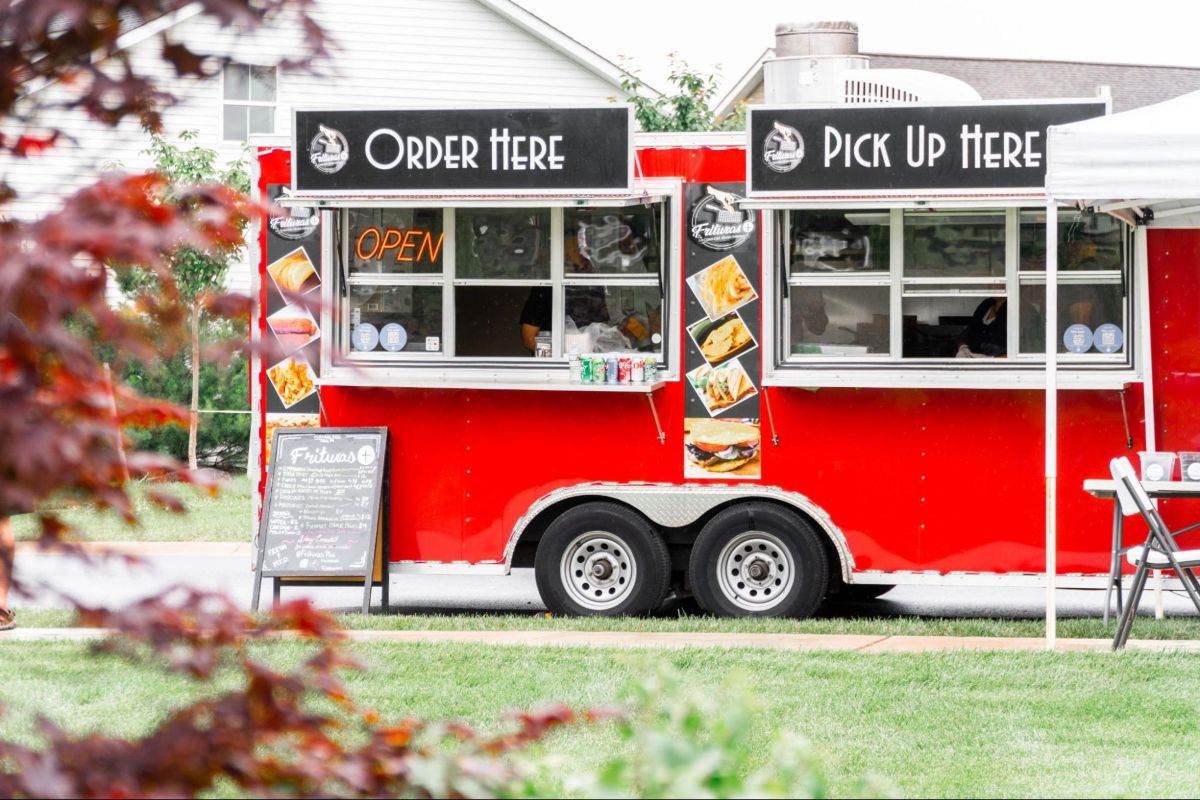
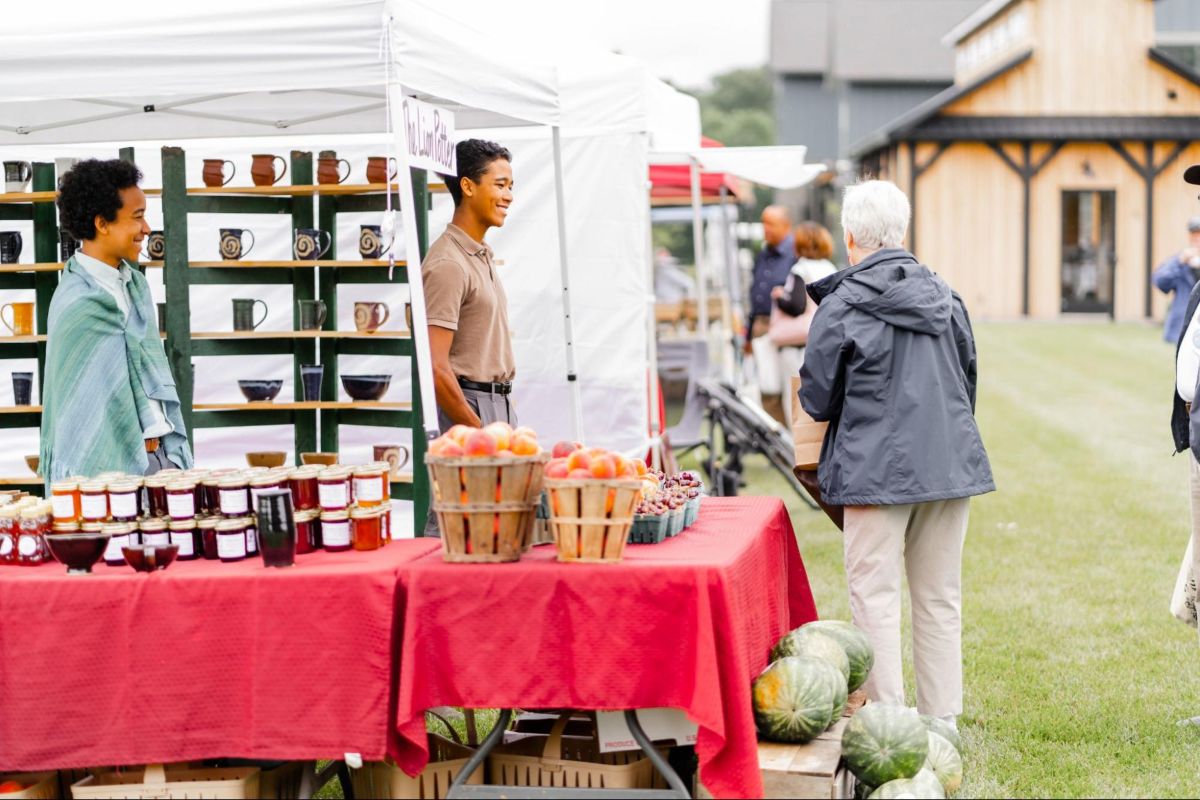
Another way to add to the experience is to bring in local businesses. A food truck, coffee roaster, or boutique wine shop adds to the atmosphere and gives guests something to enjoy while they tour. These partnerships make the event feel more authentic, since buyers get to experience the kind of places they could visit after they move in. Local businesses also have their own followers, which gives you a chance to reach people you might not otherwise find.
Whichever format you choose, give the event its own identity. Michelle says each event should have its own look and feel, along with a name and a branding element. Every deliverable afterward should match it, from the follow‑up messages to the recap photos. This helps guests remember your brand long after the event is over.
The Promotion
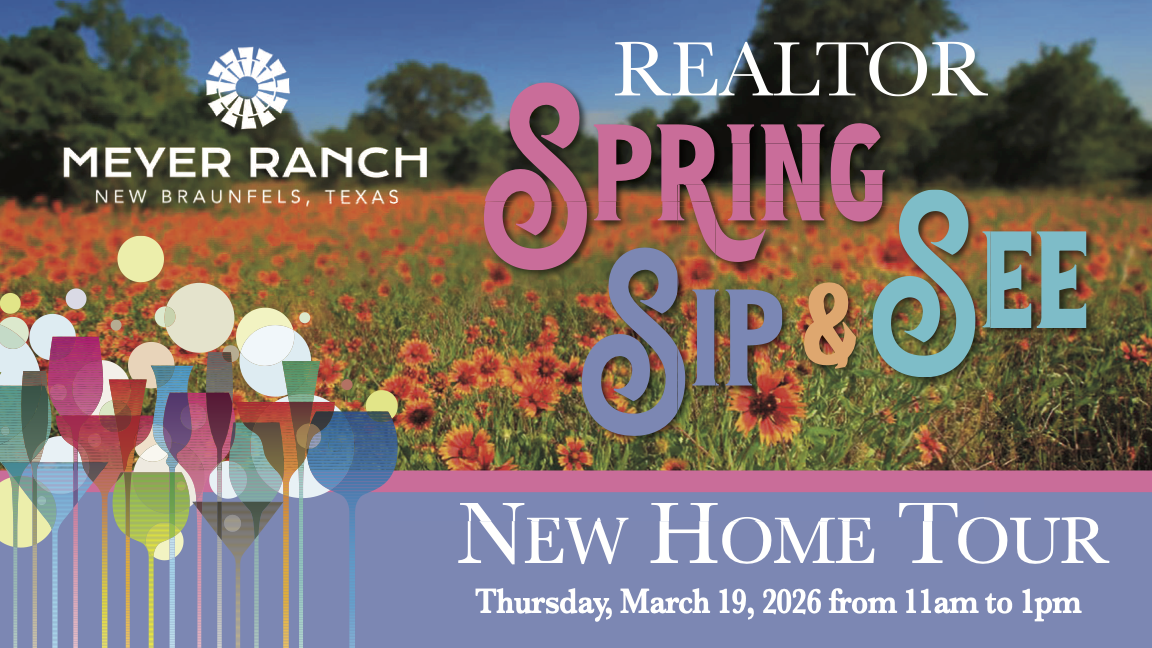
A great event only works if people know about it, so promotion needs a head start. Michelle recommends sending invitations about 30 to 60 days before the event. That gives guests time to plan, and you time to get people excited. Strong creative sets the tone from the first message, as the Meyer Ranch invitation shows with its event name, wildflower backdrop, and clear time and date. Event marketing starts long before the event is on the ground, so the earlier you begin, the more momentum you build.
Text invites are one of the strongest tools you have, and Michelle says they bring in about 65% of the RSVPs compared to email. A text goes straight to someone’s phone, which makes it a direct and personal way to reach them. It also targets a more engaged audience, since those leads gave you their phone number. Prefilled fields make it even easier to say yes with a single tap. Once the invitations are out, the next step is keeping the excitement going until event day.
Fresh messaging matters as the date gets closer; change up the language to keep guests from seeing the same invitation twice. A reminder email can tell them what to bring and how to prepare, such as closed‑toe shoes and sunscreen for an outdoor event. Personalizing your message makes it feel like it was written especially for them. Throughout the process, keep a running list of who has RSVP’d and who has not. Track who actually shows up as well, since those leads become the foundation for your follow‑up.
The work does not stop when the event ends. Within 24 hours, send a thank‑you to the guests who attended, and a “we missed you” message to those who didn’t. Within a week, share recap photos, post them on social media, and publish an SEO article on your website so people searching for your community can find it.
Measuring Success
A full house is a great feeling, but headcount alone does not tell you whether an event actually worked. Michelle also tracks the digital activity around the event. Website traffic, landing page views, and Meta impressions show how many people your promotion reached. New contacts and new followers show how many of them wanted to stay connected, and a bump in likes shows how well your content landed.
Sales are the final measure of success, and they take time to show up. Track results for the six months following the event, since some guests will buy right away while others need longer to decide. Watching that window lets you connect the event to the contracts it helped create. This is where the job split comes full circle; marketing earns the visit and sales closes the deal.
Ready to Fill Your Model Home?
Buyers want to see themselves in your community before they ever think about a rate. An event lets them do that with real people, real activities, and a real sense of what life there feels like. A great event gives people a reason to visit, and the right promotion and follow‑up turn that visit into a conversation about their next home. Need help running your next model home event?